Our Approach
Thoughtful design. Considered materials. A better way of making things.
Creating beautiful objects shouldn’t mean overlooking how they’re made.
We enjoy making things. Finding an everyday problem, coming up with an idea and turning it into something useful is what makes us tick.
But we also believe that how something is made matters just as much as what it looks like.
We’re a small, independent studio, so we have the freedom to make things differently. We can produce items as they’re needed, experiment with new materials and make changes without having to rethink an entire production line.
We don’t claim to have everything figured out. We’re simply trying to make good products, avoid unnecessary waste and make better choices wherever we can.
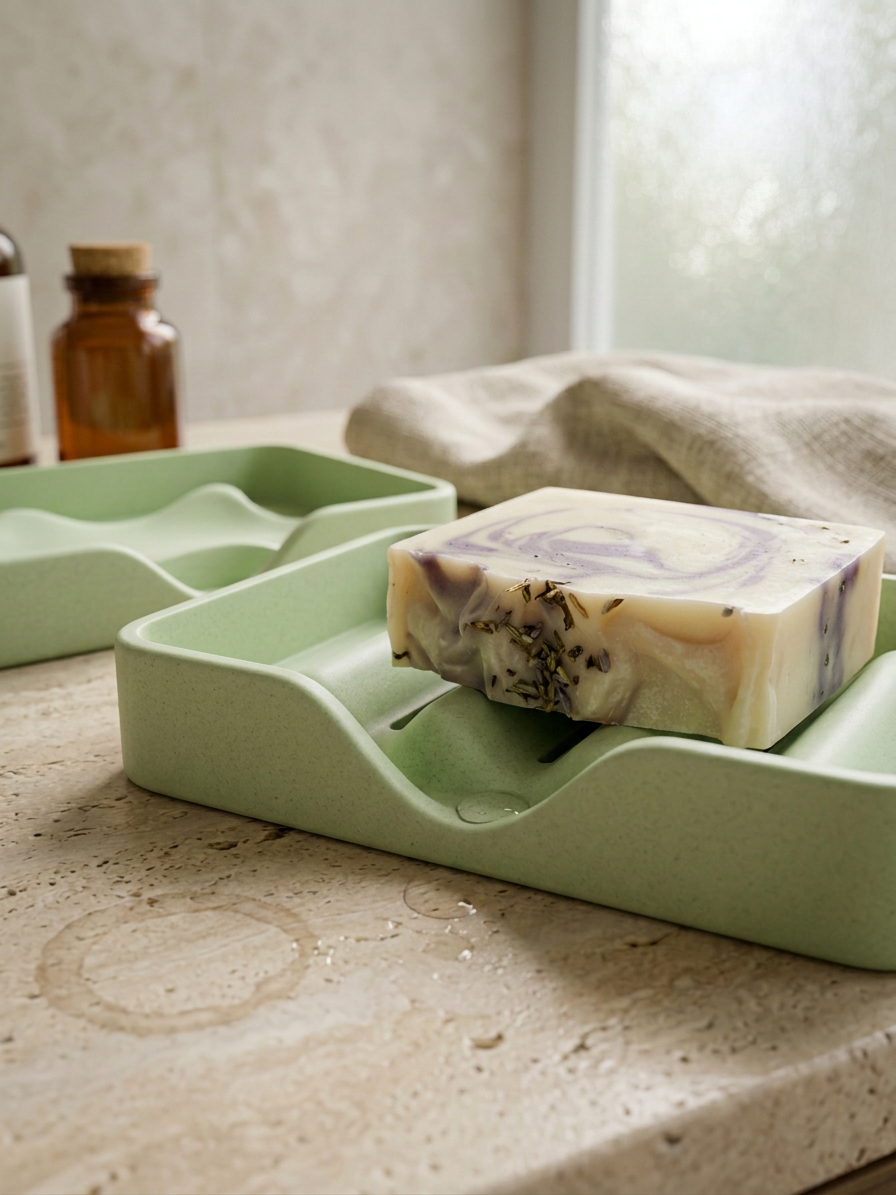
Designed with curiosity
Some of our ideas start with a practical problem. Others begin with an interesting shape, a different way of doing something or simply the thought that something could look a little nicer.
Friends and family have often been our willing guinea pigs, helping us try out ideas and discover what works and what doesn’t.
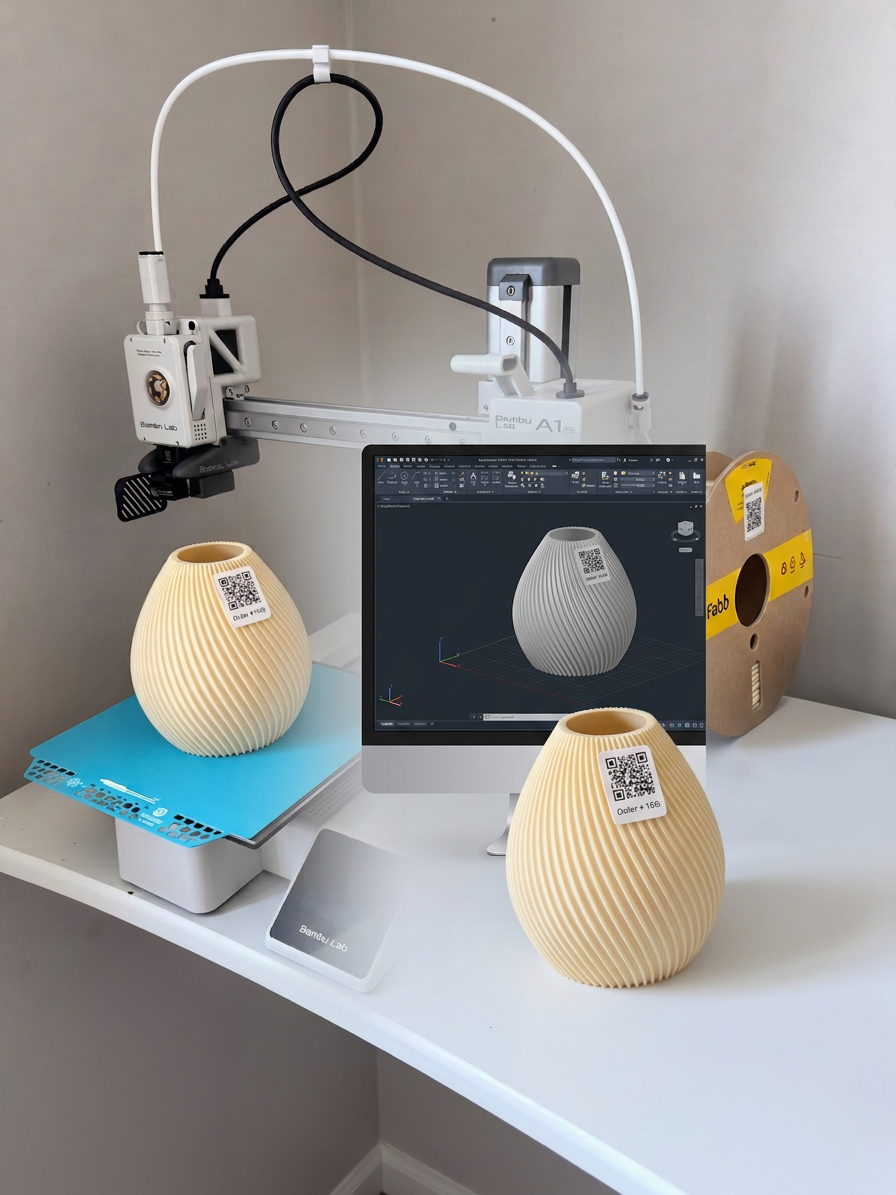
We design our products ourselves, using CAD and other digital tools to turn those ideas into physical objects.
And there’s usually a bit of trial and error involved. We print prototypes, make adjustments and sometimes start again.
That’s one of the things we love about 3D printing. We can experiment, learn and improve a design without committing to making hundreds of something that might not be quite right.
Made when you need it
One of the biggest advantages of 3D printing is that we don’t need to manufacture products in large batches.
Most of our items are made to order. When you choose a product, we make it for you, rather than taking it off a shelf full of stock.
That means we can offer different sizes and colours without having to keep large quantities of finished products sitting around waiting for a home.
It also helps us keep our costs manageable and avoid the waste that comes from making more than we can sell.
Of course, 3D printing isn’t waste-free. Prints sometimes fail, prototypes don’t always work and the process uses electricity.
But producing in small quantities gives us much more control over what we make and how much material we use.
For a studio like ours, that makes a lot of sense.
Materials matter
Let’s be clear about something. We make things from plastic, and plastic has an environmental impact.
We’re not going to pretend otherwise.
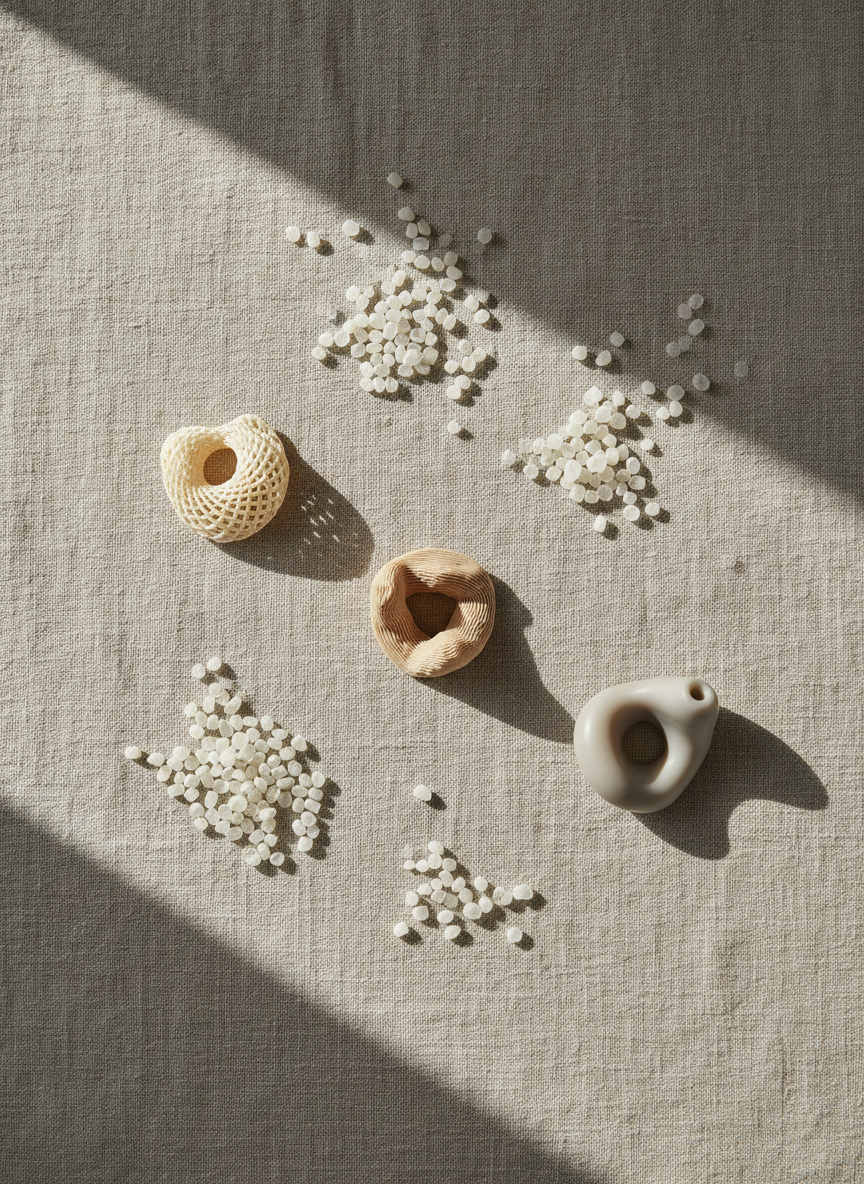
Most 3D-printed products are made using PLA, a plastic derived from renewable materials such as corn starch or sugarcane.
PLA is often described as biodegradable or compostable, but there’s an important catch. It generally needs the controlled conditions of an industrial composting facility to break down effectively. It’s not something you can simply put in your garden compost bin and expect to disappear.
And while PLA can technically be recycled through specialist processes, it isn’t normally accepted in household plastic recycling collections.
So we’re looking at alternatives.
One material we’re particularly interested in is PHA, a family of bio-based plastics produced through biological processes.
Certain PHA materials are certified for home composting, which makes them an interesting alternative to conventional 3D-printing plastics.
But there’s an important distinction between a material being compostable and a finished product actually breaking down in a home compost bin.
The thickness of an object, the conditions in the compost and the time it takes to break down all matter.
We’re experimenting with PHA and looking more closely at the evidence behind the claims. We also want to carry out our own practical tests and share what we find.
We don’t see it as a perfect solution, but it could be a useful step towards making things more responsibly.
Always learning
We’re not claiming to be a sustainable business with all the answers.
We make physical products, use energy and work with materials that have environmental consequences. There will always be trade-offs.
What we can do is question how we work, try new approaches and be open about what we discover.
As we experiment with different materials, printing techniques and ways of reducing waste, we’ll share some of that journey here on our website.
Some ideas will work better than others. That’s fine.
We’d rather be honest about the progress we’re making than pretend we’ve already reached the finish line.
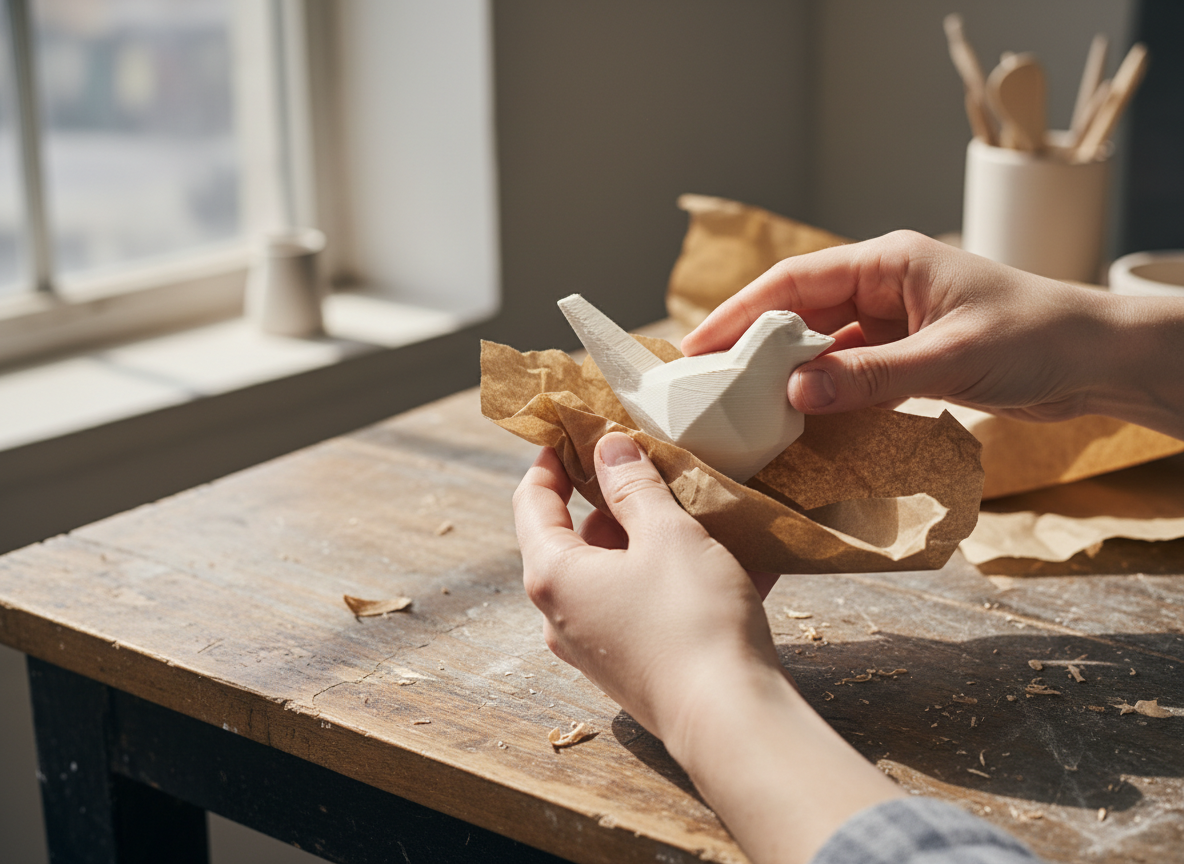
And we’ll keep getting better at it.

